
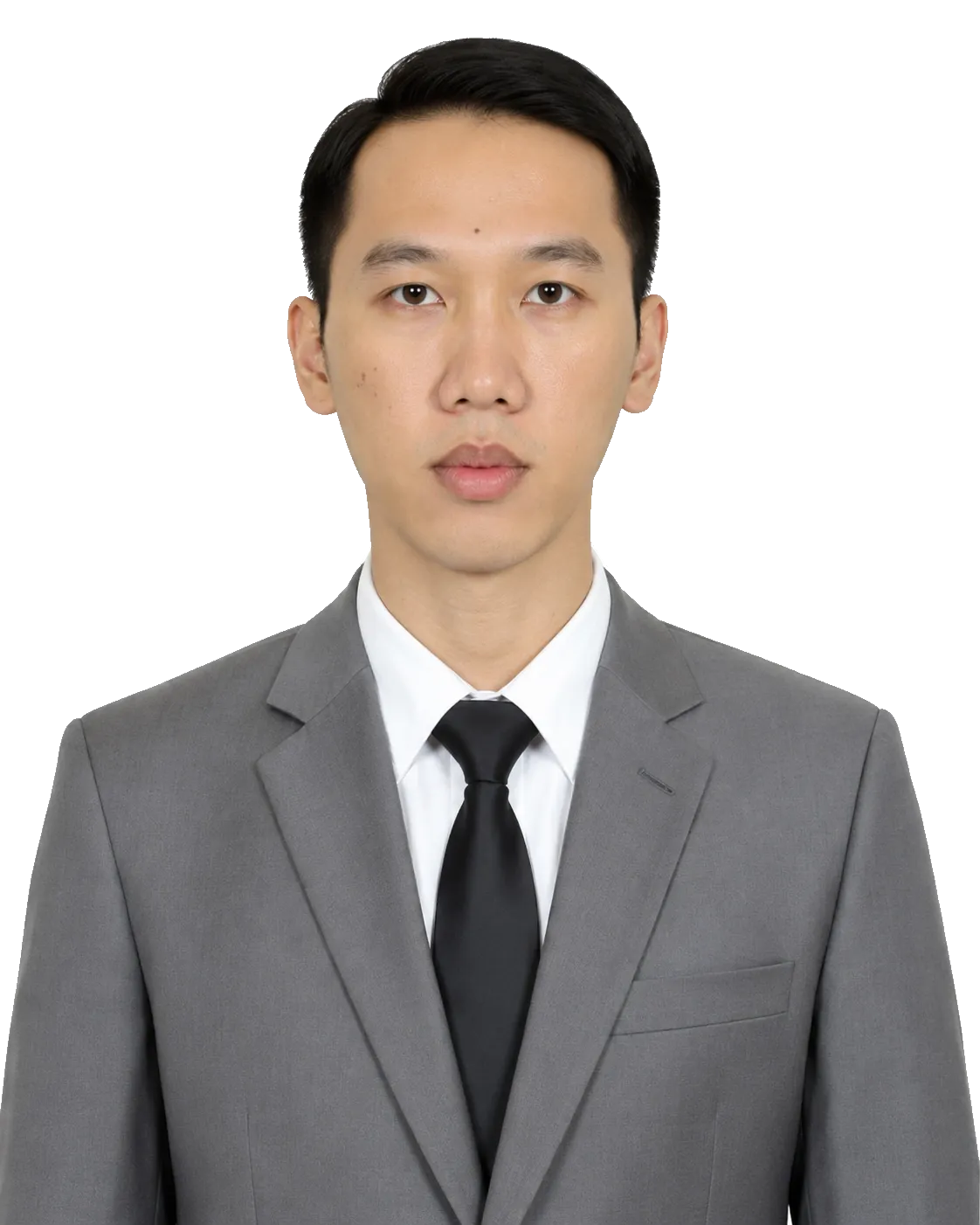
Kirklareli University, Türkiye

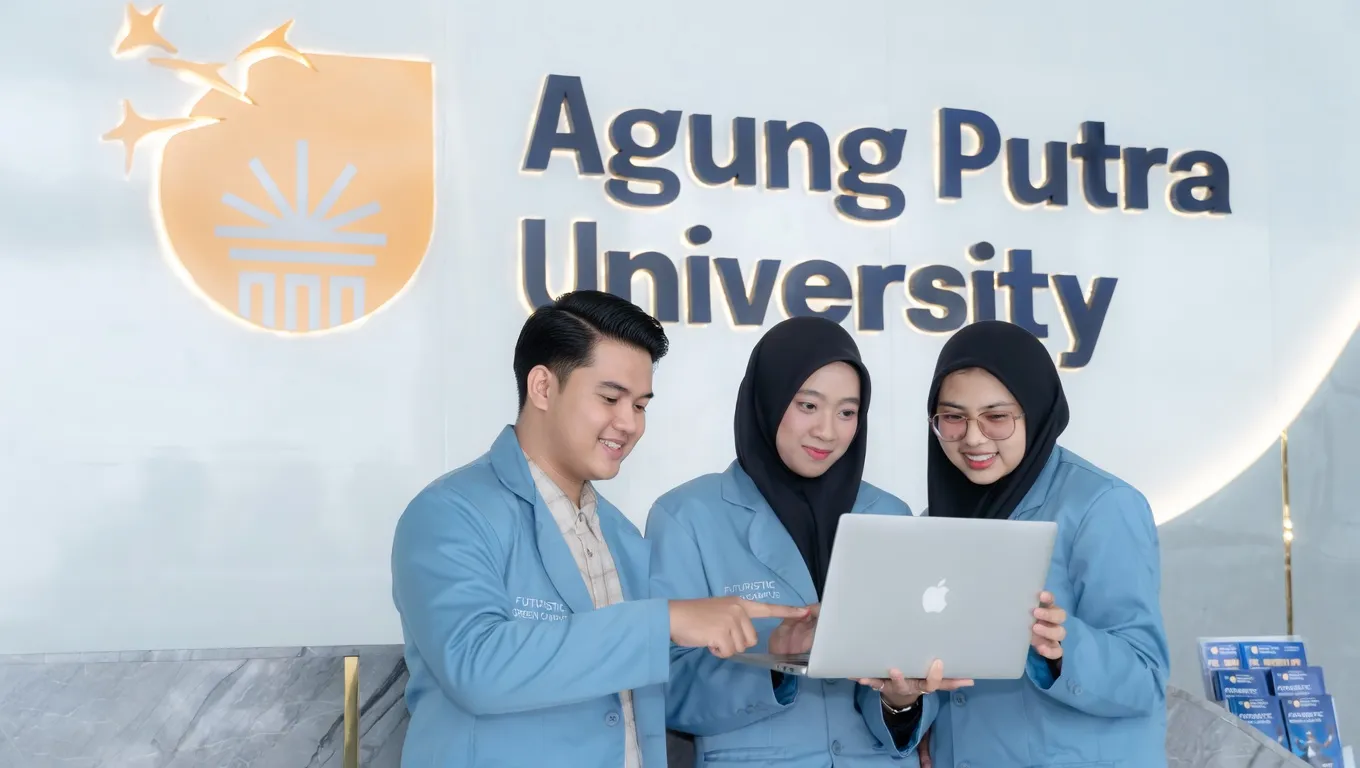
APU's academic programs are designed to be adaptive, measurable, and aligned with industry needs.
A global network of educators bringing international experience to APU classrooms.
Kirklareli University, Türkiye

University of Debrecen, Hungary


NAIST Japan


Changsha Medical University, China


M.I.T. USA


University of Calgary, Canada


University of Birmingham, UK


Newcastle University, UK

Suranaree University of Technology, Thailand


University of Queensland, Australia

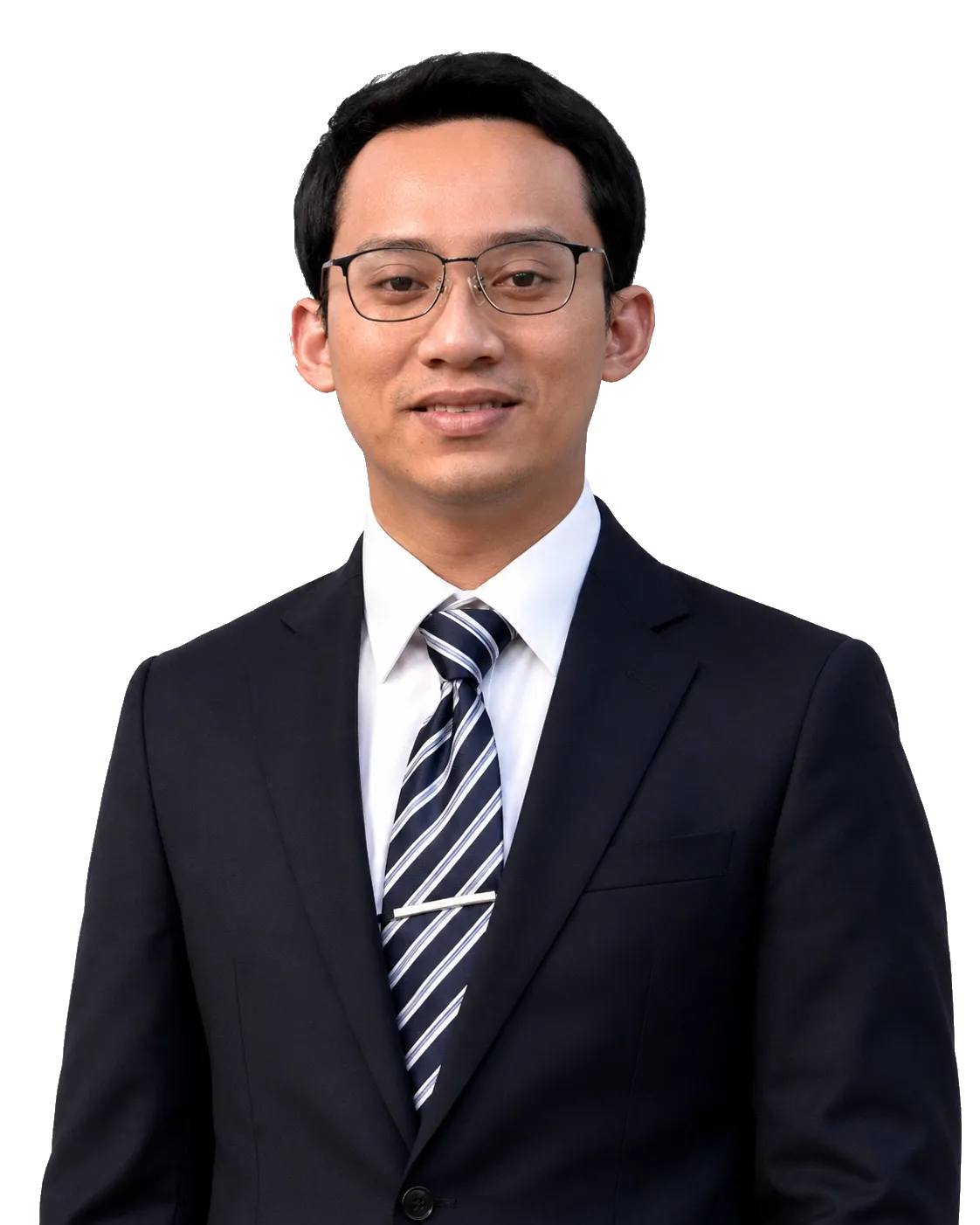
Research Institute of Microbial Diseases, Osaka Japan
Founder & Commissioner SCCR Indonesia
University of Calgary, Canada
Mesenchymal stem cells, particularly their immunomodulatory, anti-inflammatory, and regenerative mechanisms in wound healing, organ failure, autoimmune disease, COVID-19, and cancer.
NIDN
Kirklareli University, Türkiye
University of Debrecen, Hungary
NAIST Japan
 17
17 Changsha Medical University, China
M.I.T. USA
29 University of Calgary, Canada
23 University of Birmingham, UK
1 Newcastle University, UK
20 Suranaree University of Technology, Thailand
1 University of Queensland, Australia
2 Research Institute of Microbial Diseases, Osaka Japan
4 
VISION 2043
"To become an excellent, innovative, character-driven, and globally competitive institution by 2043"
Delivering quality higher education relevant to the development of the times.
Developing research and innovation to answer local and global challenges.
Implementing community service based on research and local wisdom.
Building strategic cooperation with institutions and industries domestically and abroad.
Each program balances theory, practice, and real-world projects. The curriculum is designed to be adaptive so graduates are ready to face workforce challenges.
Measurable Theory
Each course is designed with clear learning outcomes aligned with industry needs. Students not only understand concepts but are also able to apply them in professional contexts.
Practice with Mentorship
Practicum sessions are conducted on a scheduled basis with an optimal mentoring lecturer ratio. Regular evaluations ensure students master technical skills before moving on to independent projects.
Collaboration & Problem Solving
Students from various study programs come together in teams to solve real problems. This experience trains cross-disciplinary communication, project management, and systems thinking.
Plan your semester by understanding the academic schedule, exams, and campus activities throughout the academic year.
Registration and data verification for students accepted in previous admission periods.
Orientation for new students regarding facilities, academic rules, and student organizations.
First lecture meeting for all study programs.
Schedule for changing previously selected courses.
Submission of achievement scholarship and tuition assistance documents.
Mid-semester learning evaluation for all courses.
Series of student events, seminars, and inter-faculty competitions.
Study planning and course selection for the next semester.
Deadline for single tuition fee payment for the next semester.
End-of-semester evaluation to measure student learning achievement.
Final assessment and announcement of odd semester grade point average.
Closing of odd semester academic activities.
First lecture meeting for the even semester for all study programs.
Schedule for adjusting even semester course selections.
Resubmission of scholarship documents for the even semester period.
Presentation of career opportunities and collaboration with industry partners.
Mid-even-semester evaluation to measure learning progress.
Academic break for Easter celebration.
National holiday, no academic activities.
Study planning for the next odd semester.
Tuition payment deadline for the new academic year odd semester.
End of even semester evaluation.
End of even semester assessment and GPA announcement.
Closing of even semester academic activities.
Academic rest period before the odd semester begins.